How I Found My Passion in the Dry Lab
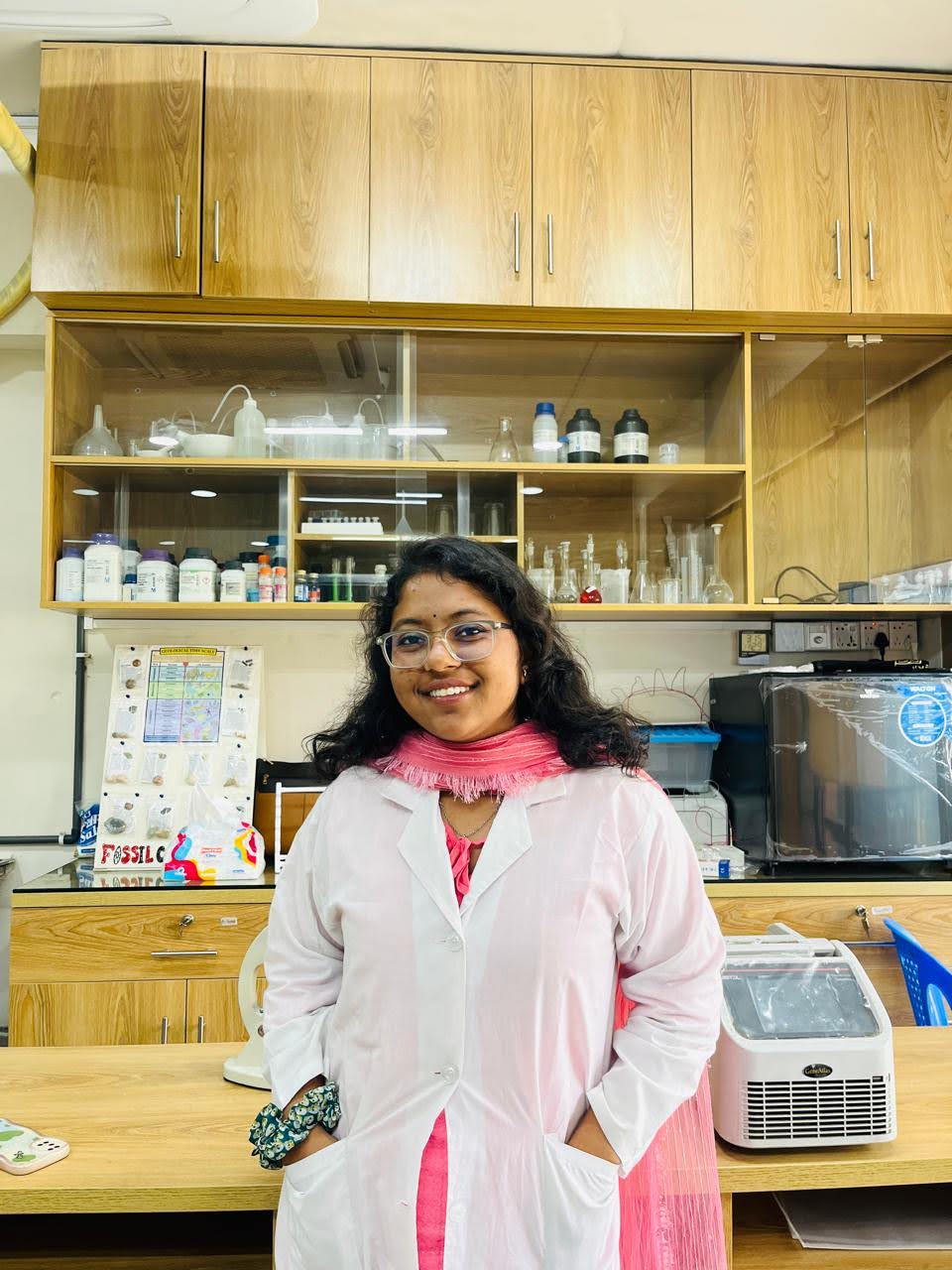
A wet lab person, with a pull toward the dry lab
For most of my undergrad at BRAC University, I was firmly a wet lab person. My thesis was completely hands-on, which meant my exposure to the dry lab was limited to a few standard university courses. But I kept having this feeling that I wanted to explore the computational side of biology.
When the opportunity at GSA came up, it felt like the perfect bridge. It was not only about data; it also involved volunteering and teaching bioinformatics to school and college students. I have always loved doing impactful things for society, so merging science with community impact was exactly what I wanted to do.
The mentorship
I am incredibly grateful that I had Jubayer Bhai to guide me through the first steps into the dry lab. If I had to describe him in a few words, it would be as an ethically strong, completely straightforward, and deeply dedicated person.
At first, it was a bit tough for me to cope with that level of thoroughness. But as the days went by, I started to understand why he demands perfection in this field, and eventually I adapted to it. Another thing that makes Jubayer Bhai an exceptional mentor is his infinite patience. There was never a "no" from his side whenever we wanted to learn something new. During my internship, I asked him thousands of seemingly stupid questions, and he answered every single one without any frustration.
The project: transcriptomics and pancreatic cancer
The core of my internship was about bridging the gap between my wet lab background and the world of genomic data analysis. My primary research focused on Pancreatic Ductal Adenocarcinoma (PDAC), one of the most aggressive and lethal malignancies worldwide. It is known for its poor prognosis and resistance to conventional therapies. We worked on a comprehensive transcriptomics data analysis project to uncover the molecular mechanisms driving this disease.
The R programming and bioinformatics skills were taught during the early weeks of the program, and then we started working with large-scale gene expression datasets to conduct differential expression analysis. Using core R packages like DESeq2 alongside specialized downstream analysis tools, we identified key differentially expressed genes (DEGs) that play crucial roles in pancreatic tumor progression.
I will never forget sharing the early results of this research at the BSM International Conference 2025. It was my first time presenting at a conference, and the absolute best part was winning the runner-up prize for the poster presentation. It felt amazing to see my hard work recognized like that.
This internship has completely reshaped how I view my future academic and professional path. I no longer see wet lab and dry lab as two separate worlds, but as two parts of a whole that I want to keep exploring.
For future interns
Be curious and ask questions. You are getting access to an opportunity and a pool of knowledge that a lot of people in your immediate surroundings might not have, so please do not take that for granted. And please, do not keep that knowledge to yourself. Pass it on, teach other people, and explore this field together.